12 Nov 2026
Charting the Development of Customized Spin Incentives Through Advanced Analytics in Casino Operations
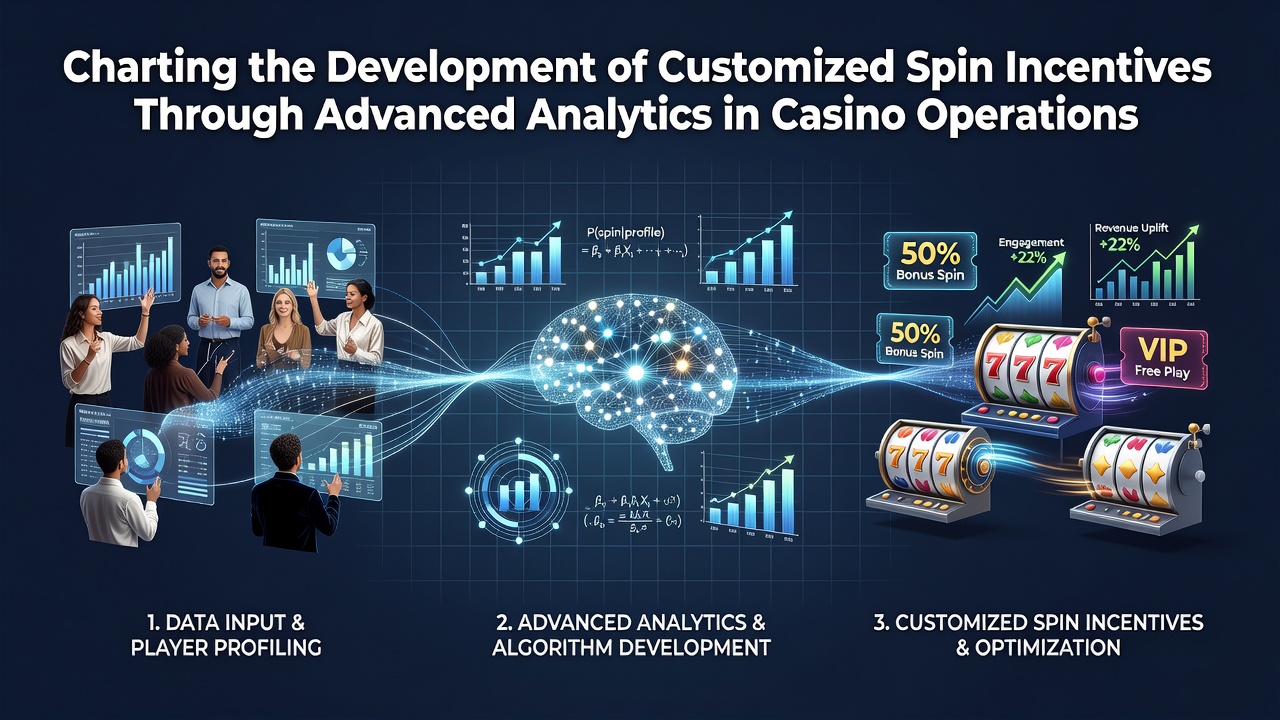
Advanced analytics have transformed how casino operators design and deploy spin incentives, moving from broad promotional offers to highly targeted rewards that align with individual player behaviors and preferences. Data collection systems now track wagering patterns, session durations, and game preferences in real time, allowing teams to refine bonus structures with greater precision. This shift gained momentum as operators integrated machine learning models that process vast datasets from loyalty programs and floor management software.
Early Foundations of Spin Incentive Programs
Casino marketing departments initially relied on standardized free spin offers distributed through mass mailings and generic digital campaigns, yet these approaches often produced uneven results across different player segments. Operators began experimenting with basic segmentation by grouping players according to visit frequency and average bet sizes, which improved redemption rates but still left room for more granular adjustments. By the mid-2010s, several major properties started piloting customer relationship management platforms that incorporated historical play data to adjust offer values on a weekly basis.
Integration of Predictive Modeling and Player Segmentation
Modern systems combine predictive modeling with real-time behavioral signals to forecast which players are likely to respond to specific spin quantities or game titles. Analysts feed these models with inputs such as recent deposit patterns, time of day preferences, and device usage statistics, producing probability scores that guide the timing and content of each incentive. One large operator in Nevada reported that after implementing these models, the proportion of offers redeemed within 48 hours rose by 18 percent over a 12-month period ending in late 2025.
Case Examples from North American adn Australian Markets
Properties in Atlantic City adopted cloud-based analytics suites that merge slot floor sensors with mobile app engagement metrics, enabling staff to push customized spin bundles to players who have recently shown interest in high-volatility titles. Similar techniques appear in Australian venues where regulatory reporting requirements have encouraged detailed record-keeping of bonus distribution. Data published by the Australian Gambling Research Centre indicates that targeted incentives now account for roughly 42 percent of all promotional spend among monitored operators, up from 27 percent in 2022.
November 2026 brought additional attention to these methods when the Nevada Gaming Control Board released updated guidelines on data transparency for loyalty programs, prompting several properties to publish summaries of how analytics influence bonus allocation. Observers noted that these disclosures coincided with industry conferences where vendors demonstrated new dashboard features capable of simulating incentive outcomes before deployment.
Technical Components Driving Customization
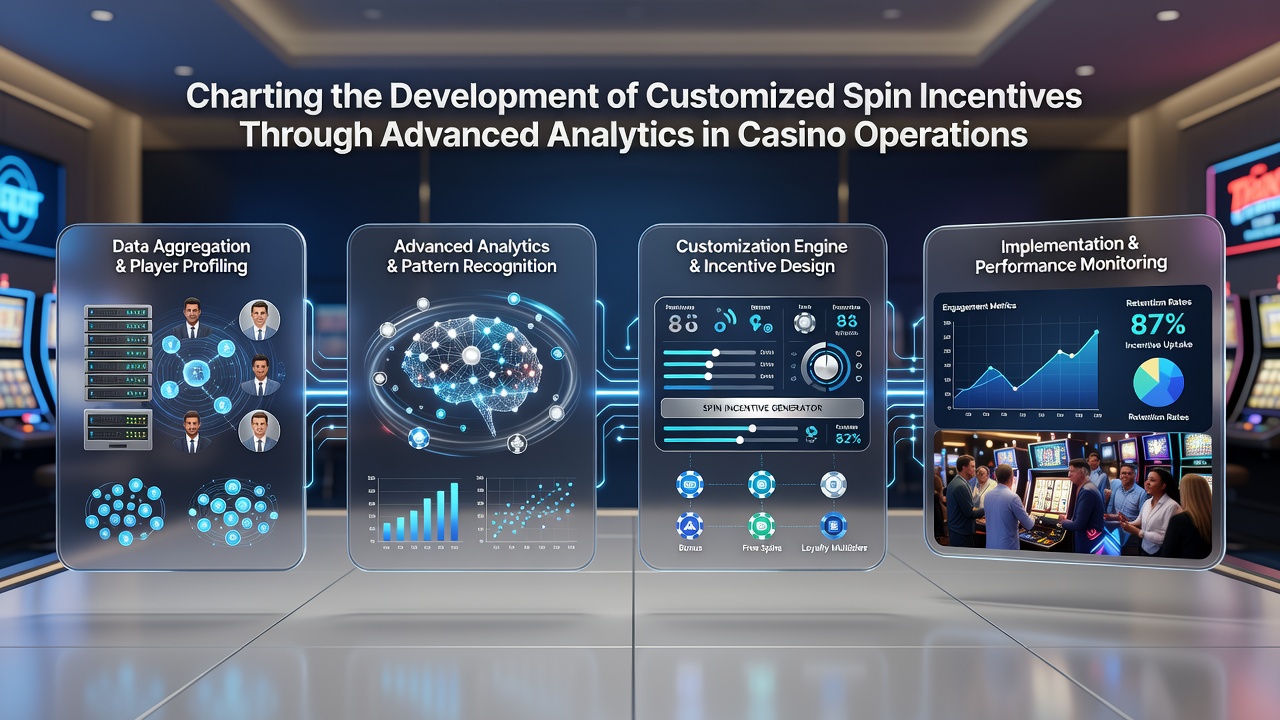
Key technical elements include clustering algorithms that identify micro-segments within larger player cohorts, reinforcement learning loops that test minor variations in offer structure, and integration layers that connect analytics outputs directly to the casino management system. These components operate continuously, refreshing player profiles after every completed session so that the next incentive reflects the most recent activity. Research from the University of Nevada, Reno gaming management program highlights that operators using closed-loop testing reduced average cost per acquired play by approximately 11 percent compared with control groups using static offers.
Regulatory and Compliance Considerations
Regulators in multiple jurisdictions now require operators to maintain audit trails showing how player data informs incentive decisions, particularly when offers involve real-money equivalents. Canadian provincial authorities in Ontario have introduced reporting standards that ask for documentation of fairness in bonus targeting, while Malta’s gaming authority has issued guidance on data minimization practices for cross-border operators. Compliance teams coordinate with analytics groups to ensure that segmentation rules do not inadvertently exclude protected categories of players.
Future Trajectories and Ongoing Refinements
Industry reports suggest continued investment in edge computing devices on gaming floors that will accelerate data processing speeds and allow near-instantaneous offer adjustments during active play sessions. Partnerships between software vendors and academic institutions are exploring the application of graph neural networks to map social connections among players, potentially opening avenues for group-based spin incentives. As these tools mature, the granularity of customization is expected to increase while maintaining adherence to existing responsible gaming frameworks.
Conclusion
The trajectory of customized spin incentives demonstrates a clear progression from generic promotions toward data-driven personalization supported by sophisticated analytics infrastructure. Continued refinement of these systems will depend on the quality of underlying data, regulatory clarity across regions, and the ability of operators to balance commercial objectives with compliance obligations. As November 2026 developments illustrate, transparency requirements are shaping how operators document and refine their analytical approaches.