29 Oct 2026
Examining Regional Variations in Free Spin Bonus Structures Among Global Casino Operators
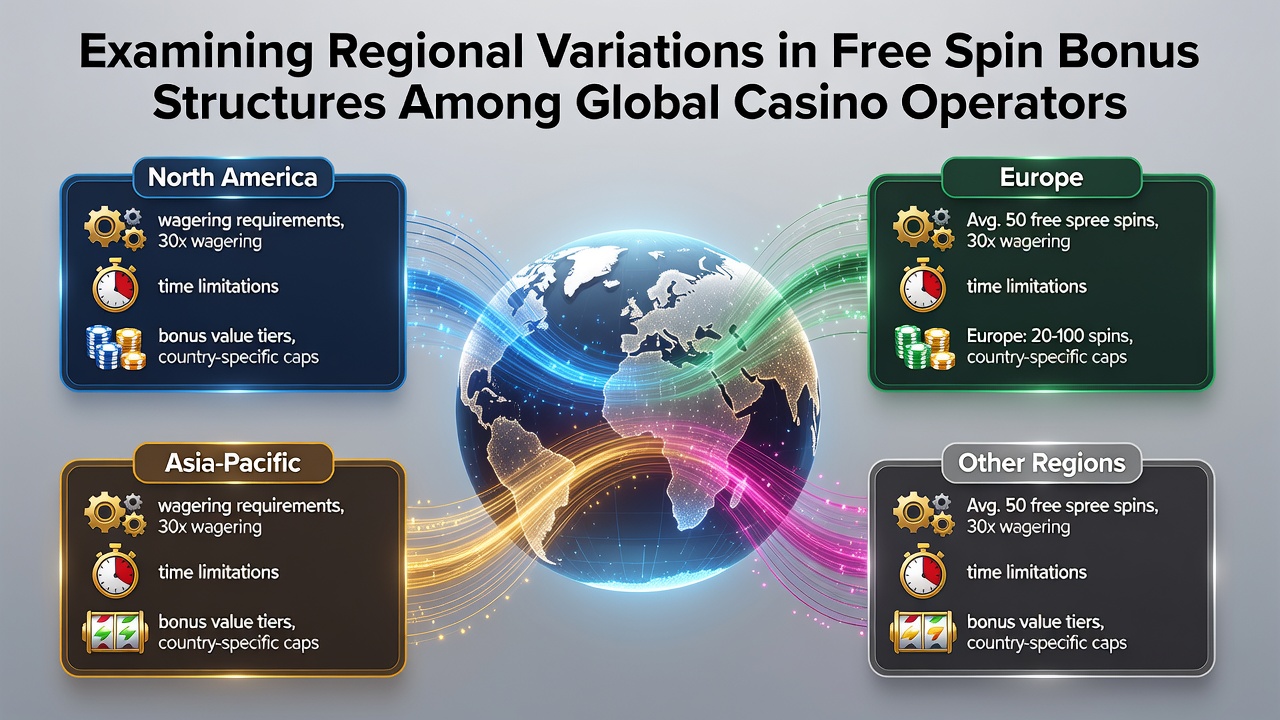
Regional differences in free spin bonus structures reflect a complex mix of regulatory frameworks, market maturity, and operator strategies that vary sharply from one jurisdiction to another. Operators adjust wagering requirements, game eligibility, expiration periods, and maximum win caps to align with local rules while remaining competitive. Data collected through industry monitoring shows these adaptations produce noticeable patterns across continents.
European Market Adjustments
Operators licensed in the European Economic Area often face caps on bonus value and mandatory time limits on free spin validity, which leads to structures that emphasize shorter play windows and lower maximum payouts compared with other regions. In markets such as Sweden and Malta, recent compliance updates have required clearer disclosure of conversion rates from free spins to cash, prompting operators to standardize how winnings transfer into withdrawable balances. Figures released in October 2026 indicate that average wagering multipliers in these jurisdictions range between thirty-five and forty-five times the bonus amount, with restrictions frequently excluding high-volatility slots from eligibility lists.
North American Approaches
State-by-state rules in the United States create a patchwork where free spin offers differ markedly between New Jersey, Pennsylvania, and Michigan. Licensed operators in these states commonly tie free spins to deposit thresholds and apply game-weighting systems that favor certain titles while reducing contribution from others. A report from the New Jersey Division of Gaming Enforcement highlights that bonus structures in Atlantic City properties during 2026 incorporated expiration dates of seven to fourteen days, alongside win caps set at ten times the initial spin value. Canadian provincial frameworks, by contrast, permit longer validity periods and fewer game restrictions, allowing operators to extend free spin windows up to thirty days in several provinces.
Asia-Pacific Patterns
Australian operators operating under the Interactive Gambling Act maintain free spin offers that emphasize loyalty program integration, where accumulated spins carry over across multiple sessions rather than resetting daily. Research compiled by the University of Sydney's Gambling Research Unit shows that these programs frequently link spin quantities to player activity tiers, resulting in structures that reward sustained engagement over single-session bonuses. In Singapore and Macau, land-based and online hybrid operators limit free spin promotions to specific table game crossovers, with maximum win amounts tied directly to house rules rather than bonus size. Data from October 2026 indicates average conversion rates in these markets hover around sixty percent, higher than European equivalents, yet accompanied by stricter identity verification steps before withdrawal.
Latin American and African Developments
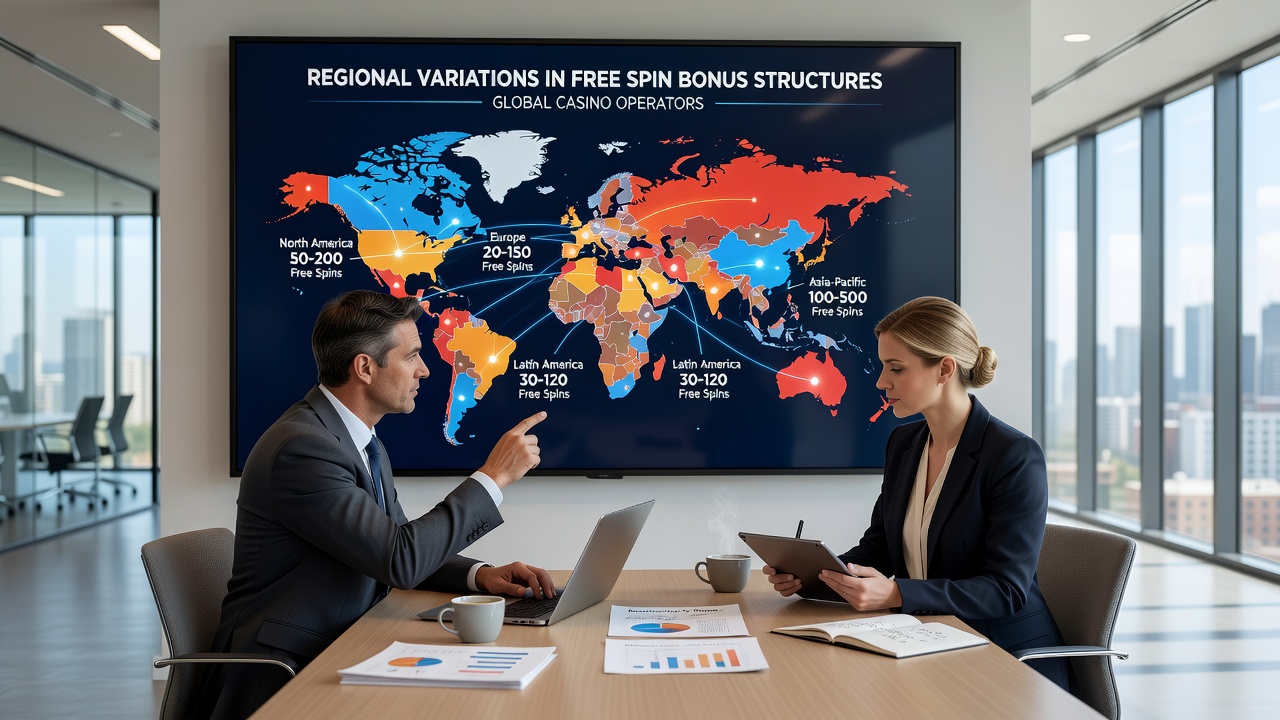
Emerging markets in Latin America demonstrate greater flexibility in bonus design because regulatory oversight remains lighter in several countries. Operators in Brazil and Mexico commonly extend free spin validity to sixty days and apply lower wagering thresholds, often between twenty and thirty times the bonus amount. Similar patterns appear in South African licensed sites, where operators combine free spins with deposit-match incentives that carry fewer game restrictions than those found in more mature jurisdictions. Monitoring reports note that these approaches correlate with higher player retention metrics during promotional periods, although withdrawal processing times vary by operator.
Cross-Regional Comparisons and Trends
Comparative analysis reveals that operators serving multiple regions maintain parallel bonus systems that automatically adjust parameters based on player location. Wagering multipliers tend to increase in jurisdictions with higher tax rates on gambling revenue, whereas expiration periods shorten where consumer protection rules emphasize responsible play. October 2026 updates from several international gaming associations documented a rise in region-specific free spin caps, particularly in markets introducing new licensing rounds. These adjustments frequently involve collaboration between operators and local regulators to ensure compliance without disrupting existing player bases.
Conclusion
Global casino operators continue to refine free spin bonus structures in response to distinct regional requirements, resulting in measurable differences in wagering terms, validity windows, and payout limits. The patterns observed across Europe, North America, Asia-Pacific, and emerging markets demonstrate how regulatory environments shape promotional design while operators balance compliance with market demands. Ongoing monitoring through October 2026 and beyond will likely reveal further refinements as new licensing frameworks take effect in additional jurisdictions.