17 Sep 2026
Regulatory Shifts Reshaping Bonus Spin Mechanics in European Markets
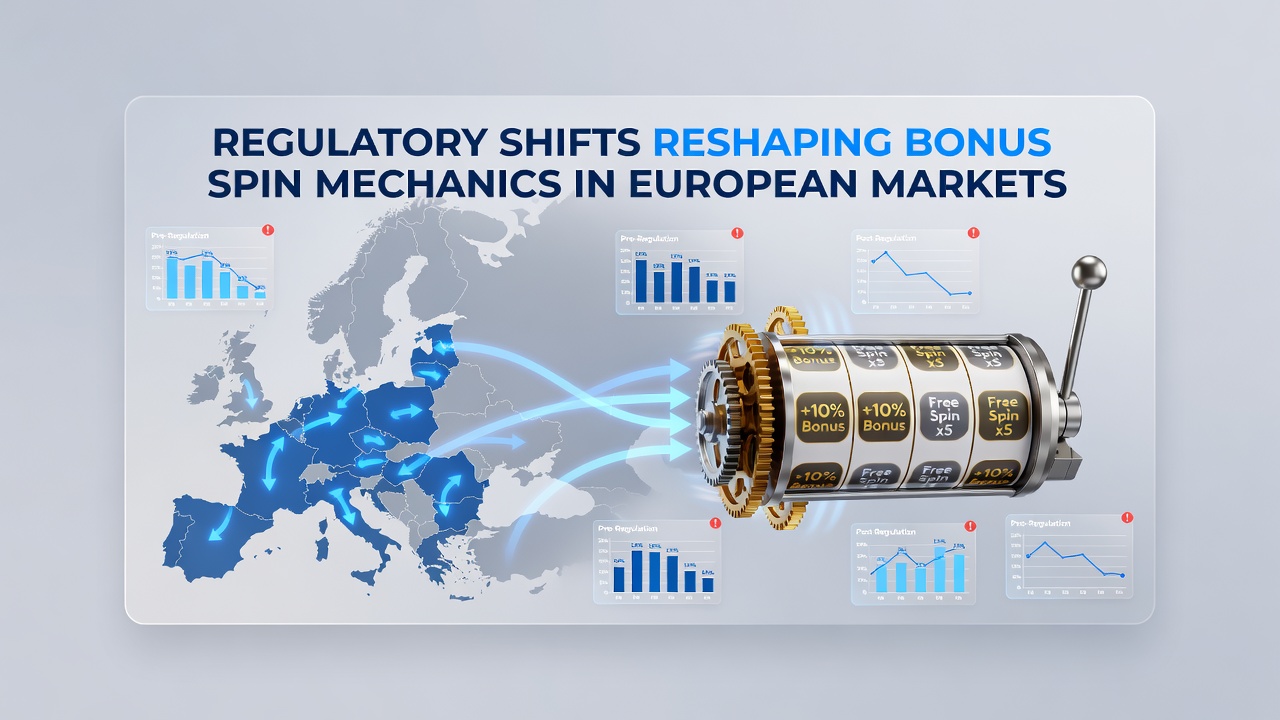
European regulators have introduced a series of updates that directly influence how bonus spin mechanics operate in online gaming environments, with several measures scheduled for implementation phases beginning in September 2026 across multiple jurisdictions. These adjustments stem from ongoing efforts to standardize player protections while operators adjust wagering structures and eligibility criteria accordingly. Data from industry monitoring groups shows that bonus spin promotions now face tighter constraints on maximum win caps, mandatory disclosure of contribution rates toward playthrough requirements, and restrictions on game selection during promotional periods.
National Frameworks Driving Uniform Standards
Countries such as Germany, the Netherlands, and Sweden have aligned certain provisions under broader EU consumer protection guidelines, resulting in operators recalibrating bonus spin offers to meet new transparency thresholds. In Germany the Interstate Treaty on Gambling has prompted revisions to bonus validity periods, while Dutch authorities through the Kansspelautoriteit require explicit separation between deposit bonuses and free spin allocations. Swedish regulators enforce similar rules that limit automatic renewal of spin packages, forcing platforms to obtain fresh consent from players before extending promotional mechanics. Observers note that these national adaptations create a patchwork where cross-border operators must maintain distinct compliance layers for each market.
Mechanics Under Scrutiny
Bonus spin features once characterized by flexible activation triggers now encounter limits on how many spins can tie to a single deposit or loyalty tier, with several markets capping daily or weekly issuances. Research indicates that wagering multipliers attached to spin winnings have decreased in many cases, shifting from common ranges of 30x-50x down to 20x-35x depending on the jurisdiction. Game weighting systems have also changed, so that high-volatility titles contribute less toward requirement completion compared to low-volatility options. Operators respond by redesigning interfaces to display real-time progress meters that track spin contributions separately from other bonus types.
One study released by a research consortium based in the Netherlands highlighted how these modifications affect player behavior patterns, particularly in how users sequence their gameplay when multiple spin mechanics compete for attention within the same session. Platforms have introduced segmented bonus wallets that isolate spin-derived funds, preventing accidental commingling with standard balances.
Operator Adaptations and Technical Adjustments
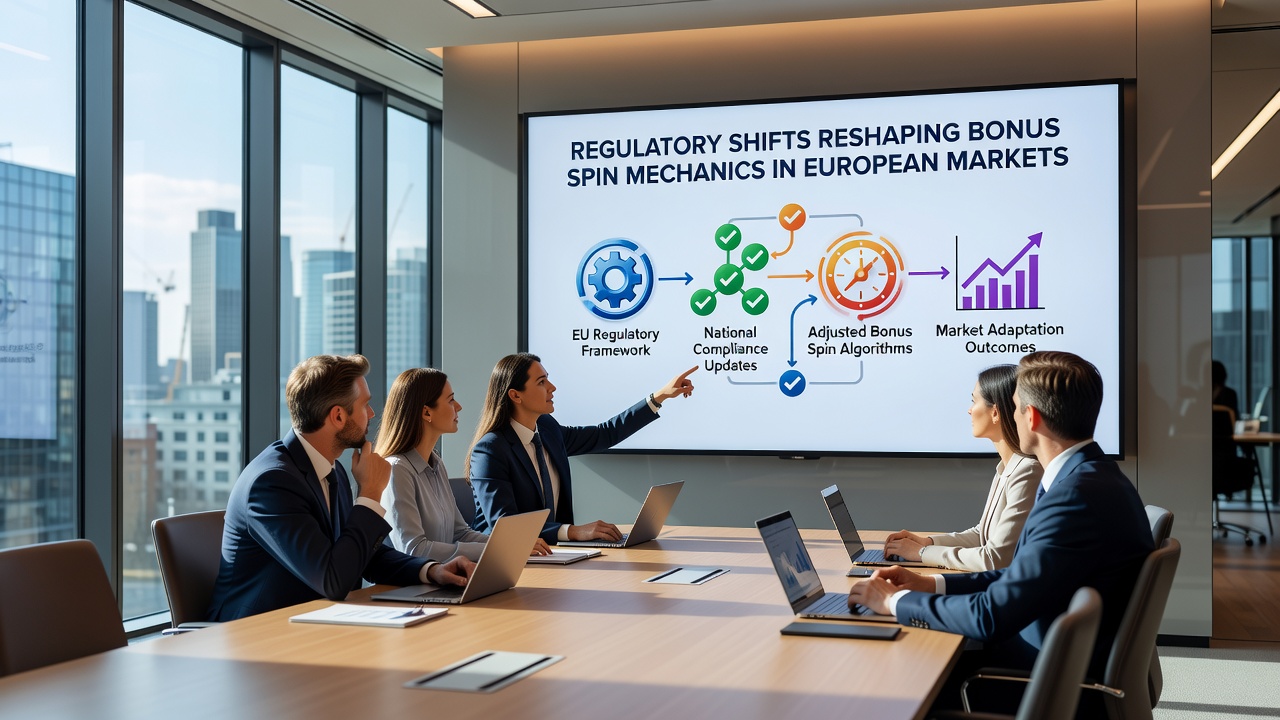
Software providers have rolled out updated modules that embed regulatory flags directly into bonus spin engines, automatically enforcing expiry timers and contribution caps without manual intervention. These systems integrate with national self-exclusion registries, pausing promotional eligibility when players activate cooling-off periods. According to figures published by the European Gaming and Betting Association, development costs for such compliance tools rose notably between 2024 and 2025 as companies prepared for the September 2026 deadlines in overlapping markets. Larger operators leverage centralized compliance teams that monitor rule variations daily, whereas smaller platforms often partner with specialized vendors to handle localized configurations.
What's notable is the emphasis on audit trails that record every spin allocation event, including timestamps, player consent confirmations, and game identifiers. These logs support regulatory reporting cycles that now occur quarterly rather than annually in several territories, allowing authorities quicker detection of patterns that might indicate non-compliance.
Player Communication Requirements
Clear labeling of bonus spin terms has become mandatory, with rules specifying font sizes, placement on landing pages, and mandatory pop-up summaries before activation. Regulators in Belgium and Italy have gone further by requiring multilingual support for terms when operators target residents from multiple language groups. Players receive notifications at key milestones such as when 50 percent of the wagering requirement is met or when spins approach expiration. These measures aim to reduce disputes arising from misunderstood conditions while giving users more granular control over whether to accept or decline individual spin bundles.
Looking Ahead to Coordinated Oversight
Discussions continue at the EU level regarding potential harmonization of bonus spin parameters across member states, with working groups examining data from pilot programs in select regions. A report from the University of Malta's gaming research center examines how differing national timelines affect market competitiveness, noting that staggered implementation dates can create temporary advantages for operators based in jurisdictions with later enforcement. Industry associations track these developments closely, sharing anonymized datasets that help members forecast resource allocation for ongoing technical updates.
Conclusion
Regulatory evolution continues to shape bonus spin mechanics through layered requirements that balance operator flexibility with enhanced player safeguards. As September 2026 approaches, platforms across Europe refine their systems to accommodate jurisdiction-specific rules while preparing for possible further coordination at the supranational level. The resulting environment features more standardized disclosures, automated compliance features, and segmented promotional structures that reflect the cumulative impact of these shifts.